If your doctor has asked you to get a blood test done, or you’re simply due for your annual health screening, Mangalore has no shortage of labs to choose from. But not all blood tests — and not all labs — are created equal. This guide walks you through the most common blood tests, how to prepare for them, and what actually separates a reliable diagnostic experience from a frustrating one.
A blood test is often the first and most cost-effective way to catch a health issue before it becomes serious. From routine sugar and cholesterol checks to thyroid panels and vitamin deficiencies, a single blood draw can reveal a surprising amount about your overall health — long before symptoms show up.

Look for an MS (Orthopedics) or equivalent, along with fellowship training in the relevant sub-specialty if your condition is complex (e.g., joint replacement, arthroscopy, or spine surgery).
Check which hospital the doctor operates out of, and whether that hospital has the infrastructure for your specific need — for example, a dedicated joint replacement unit, physiotherapy support, or a Level 1 trauma centre for emergencies.
A surgeon who regularly performs the specific procedure you need (say, ACL reconstruction or total knee replacement) generally has better outcomes than a generalist who does it occasionally. It’s reasonable to ask directly how many such procedures they perform in a year.
Orthopedic recovery — especially after surgery — depends heavily on physiotherapy and follow-up care. Ask whether the doctor’s clinic or hospital has an in-house physiotherapy team and a clear follow-up protocol.
Before or alongside your orthopedic consultation, an accurate diagnostic picture — X-rays, MRI, or relevant blood markers like uric acid, calcium, and vitamin D — helps your specialist make a faster, more precise diagnosis instead of relying on guesswork during a short appointment.
If you have persistent joint or bone pain, swelling, stiffness, reduced range of motion, or an injury that hasn’t improved with rest and basic care within a week or two, it’s time to see an orthopedic specialist.
An orthopedic doctor diagnoses and treats bone, joint, and muscle conditions, including surgery when needed. A physiotherapist focuses on rehabilitation — exercises and manual therapy to restore movement and strength, often working alongside the orthopedic doctor’s treatment plan.
Not usually — you can book a direct consultation with an orthopedic doctor. That said, a referral from your general physician, along with any existing reports, can help the specialist reach a diagnosis faster.
Commonly an X-ray or MRI of the affected area, and sometimes blood tests such as uric acid, calcium, vitamin D, or inflammation markers (CRP, ESR) if an underlying condition like arthritis or gout is suspected.
Many conditions — mild arthritis, early ligament strains, most back pain — respond well to physiotherapy, medication, and lifestyle changes. Surgery is usually considered only when conservative treatment doesn’t resolve the issue or the damage is severe.
Rather than chasing the single “most famous” name, the better approach is: identify your specific orthopedic problem, shortlist doctors who specialise in exactly that, verify their experience and hospital infrastructure, and walk into your first consultation with the right diagnostic reports in hand.
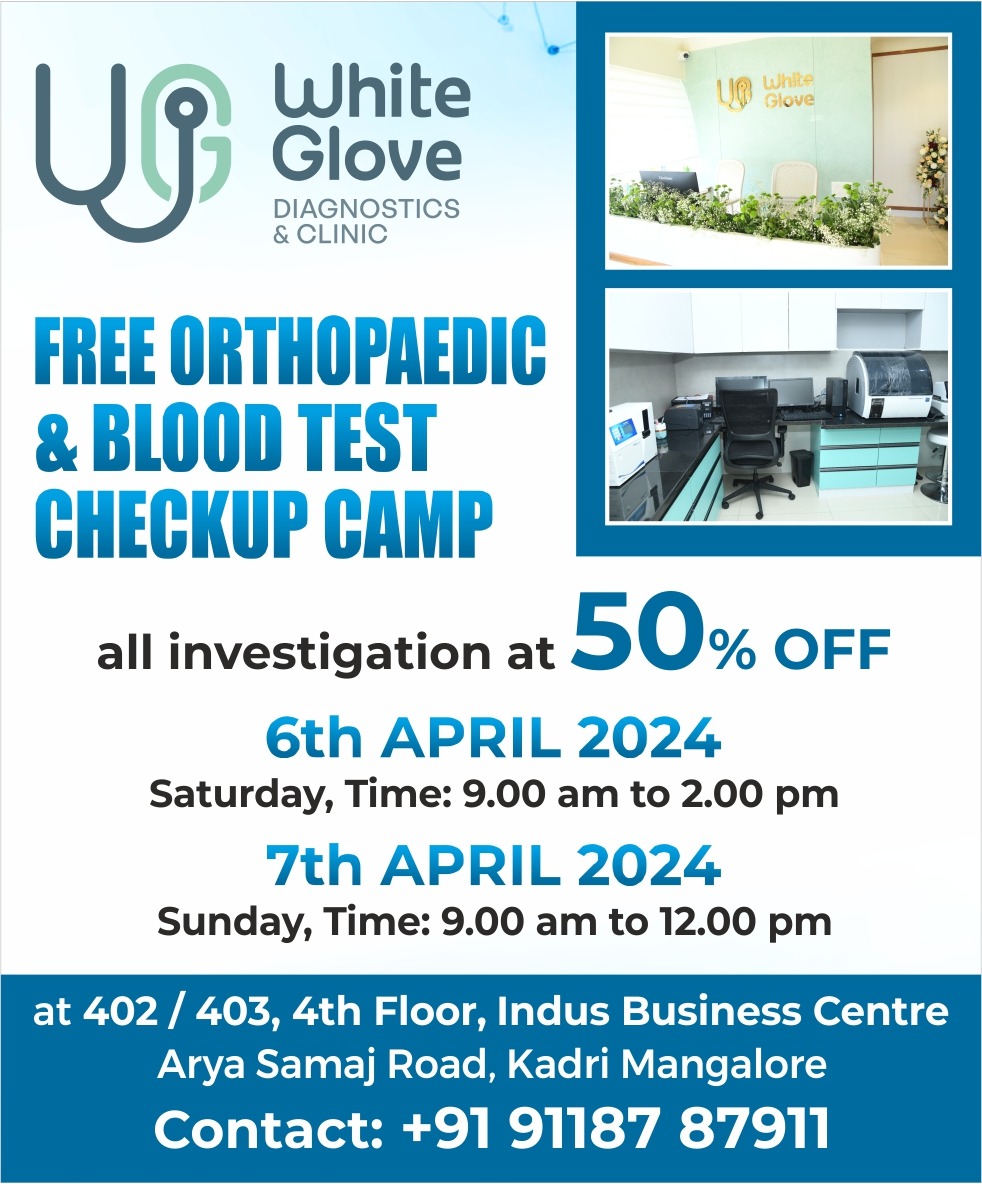
402/403, Indus business centre, Arya samaj Road , Kadri , Mangalore-575002 Karnataka , India
91187 87911 / 824 796 2824